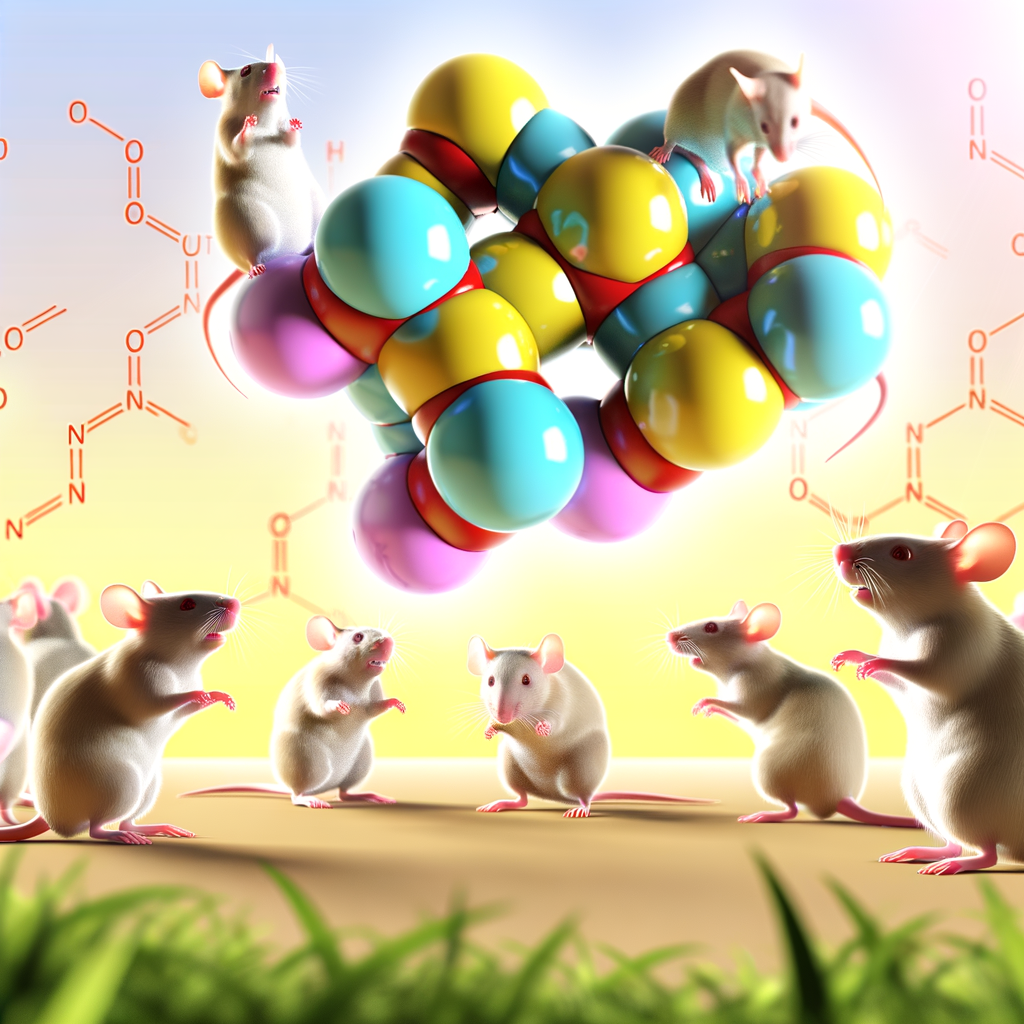
PA-915: A Novel Brain-Targeted Approach to Stress Response – Unpacking the Hype
In the vast and complex landscape of mental health research, breakthroughs are constantly sought, offering glimmers of hope to millions worldwide. Recently, an experimental substance known as PA-915 captured significant attention, particularly across social media, where it was mistakenly heralded as a "vacina contra ansiedade Pa 915" – an anxiety vaccine. While the excitement is understandable given the pressing need for more effective treatments, it's crucial to separate scientific fact from viral fiction. PA-915 represents a truly novel and promising brain-targeted approach to modulating stress response, but it is unequivocally *not* a vaccine, and its journey from laboratory to patient is still in its very early stages.
Developed by an international team of Japanese researchers from prestigious institutions including Osaka, Kobe, Toyama, and Kagoshima Universities, PA-915's initial findings, published in Molecular Psychiatry in September 2025, suggest a significant leap forward in understanding and potentially treating conditions like anxiety and depression. This article will delve into what PA-915 truly is, how it works, the promising results observed, and why accurate understanding is paramount when discussing such vital scientific advancements.
Understanding PA-915: A Targeted Approach to Brain Chemistry
At its core, PA-915 is a small-molecule experimental drug, designed to interact directly with the central nervous system. Its mechanism of action is highly specific and novel: it blocks the PAC1 receptor. This receptor is intimately linked to the neuropeptide PACAP (Pituitary Adenylate Cyclase-Activating Polypeptide), a molecule known to play a crucial role in the body's physiological and psychological response to stress. By modulating the PAC1/PACAP pathway, PA-915 aims to address the root causes of dysregulated stress responses within the brain itself, rather than simply managing symptoms.
This targeted approach is a significant departure from many existing treatments. Traditional antidepressants, for instance, often work by broadly increasing neurotransmitter levels (like serotonin or norepinephrine) and can take weeks to show effect, often accompanied by a range of side effects. PA-915, on the other hand, zeroes in on a specific neurological pathway believed to be central to how the brain processes and reacts to stress, offering a potentially more precise and efficient intervention. For a deeper dive into how this experimental drug works, you might find this article informative: PA-915: Experimental Drug's Promise for Anxiety & Depression.
Promising Pre-Clinical Results: A Glimpse into the Future
The initial excitement surrounding PA-915 stems from remarkable results observed in pre-clinical trials. These studies, conducted exclusively on animal models (specifically mice subjected to chronic stress), have unveiled several key findings that underscore its potential:
- Significant Reduction in Anxiety and Depression-Related Behaviors: Treated mice exhibited a marked decrease in behaviors typically associated with anxiety and depression, suggesting a direct impact on mood regulation and stress coping mechanisms.
- Improvement in Cognitive Functions: Beyond just mood, the substance also showed a positive influence on cognitive functions, an area often impaired in individuals suffering from chronic stress, anxiety, and depression. This suggests a broader therapeutic potential.
- Rapid Onset of Action: Unlike many current pharmacological interventions that require weeks to take effect, PA-915 demonstrated a rapid action after administration, which could be transformative for patients in acute distress.
- Prolonged Efficacy with a Single Dose: Perhaps one of the most intriguing findings was the prolonged effect, lasting up to eight weeks with just a single dose. This sustained action is what likely fueled the misleading "vacina contra ansiedade Pa 915" narrative, as it mimics the long-lasting protection often associated with vaccines.
- Favorable Safety Profile: Crucially, researchers reported no significant side effects in the tested models, such as cognitive impairment or signs of dependence, which are common concerns with many psychoactive medications.
These results, while highly encouraging, are still preliminary. It's essential to remember that findings in animal models do not always translate directly to humans, and extensive human trials are required to confirm efficacy and safety.
Dispelling the Myth: Why PA-915 is Not a "Vacina Contra Ansiedade Pa 915"
The widespread use of the term "vacina contra ansiedade Pa 915" on social media highlights a critical issue in scientific communication: the misinterpretation of complex research. Let's clarify the fundamental differences:
- Mechanism of Action: Vaccines work by stimulating the immune system to produce antibodies, providing protection against future infections. They prevent diseases. PA-915, conversely, is a drug that acts directly on specific neural circuits in the brain to treat existing symptoms or modulate a dysfunctional stress response. It is not designed to prevent anxiety through immunological means.
- Purpose: Vaccines are prophylactic, aiming to prevent illness before it occurs. PA-915 is therapeutic, intended to treat or manage symptoms of anxiety and depression once they are present.
- Development Stage: PA-915 is currently in the *pre-clinical stage*. This means it has not yet undergone human trials, nor has it received any regulatory approval for human use. Calling it a "vacina contra ansiedade Pa 915" implies a level of readiness and approval that simply does not exist.
Experts consistently emphasize that while the long-lasting effect of a single dose is exciting, it does not equate to a vaccine. Misinformation can create false hope and potentially deter individuals from pursuing existing, evidence-based treatments. For more on this crucial distinction, consider reading PA-915: The Truth Behind the Viral 'Anxiety Vaccine' Claim.
The Future of Stress Response Treatment: Hope and Caution
The research into PA-915, despite being in its infancy, represents a significant step forward in the quest for improved mental health treatments. Its potential benefits are manifold:
- A New Therapeutic Pathway: The targeting of the PAC1/PACAP system introduces a novel mechanism, offering an alternative for individuals who do not respond well to existing therapies.
- Faster and Longer-Lasting Effects: The observed rapid onset and prolonged duration of action could drastically improve the quality of life for those suffering from chronic anxiety and depression, reducing the burden of daily medication and frequent administration.
- Improved Safety Profile: The absence of major side effects in animal models, particularly concerns like cognitive impairment or addiction potential, is a highly encouraging sign, although this must be rigorously tested in humans.
Anxiety and depression are leading causes of disability worldwide, affecting millions and imposing immense personal and societal costs. Current treatments often come with limitations: slow onset, significant side effects, and varying levels of efficacy. The development of a drug like PA-915, which could be more effective, safer, and easier to administer, addresses a critical unmet need.
Navigating the Hype: Practical Advice for Mental Health
While the scientific community awaits the next stages of PA-915's development, it's vital for individuals struggling with anxiety and depression to focus on current, proven strategies:
- Seek Professional Help: If you are experiencing symptoms of anxiety or depression, consult a healthcare professional. They can provide an accurate diagnosis and discuss evidence-based treatments, which may include psychotherapy, medication, or a combination of both.
- Practice Critical Thinking: Be wary of viral claims, especially those promising quick fixes or miraculous cures for complex health conditions. Always check the source and look for information from reputable scientific and medical institutions.
- Embrace Holistic Well-being: Lifestyle factors play a significant role in mental health. Regular exercise, a balanced diet, sufficient sleep, mindfulness practices, and strong social connections are powerful tools in managing stress and improving mood.
- Stay Informed, Realistically: Follow legitimate scientific news outlets for updates on research like PA-915. Understand that drug development is a long, meticulous process, and patience is key.
Conclusion
PA-915 holds genuine promise as a novel, brain-targeted therapeutic for anxiety and depression, representing an exciting frontier in mental health research. Its specific mechanism of action, combined with observed rapid and prolonged effects in pre-clinical studies, offers a beacon of hope for future treatments. However, it is unequivocally crucial to correct the pervasive misconception of it being a "vacina contra ansiedade Pa 915." This experimental drug is in its earliest stages, far from human approval, and works through entirely different biological pathways than a vaccine. As the scientific journey of PA-915 continues, an informed and balanced perspective, grounded in scientific accuracy, will be vital for both the research community and those eagerly awaiting advancements in mental health care.