PA-915: Unveiling the Promise of an Experimental Drug for Anxiety & Depression
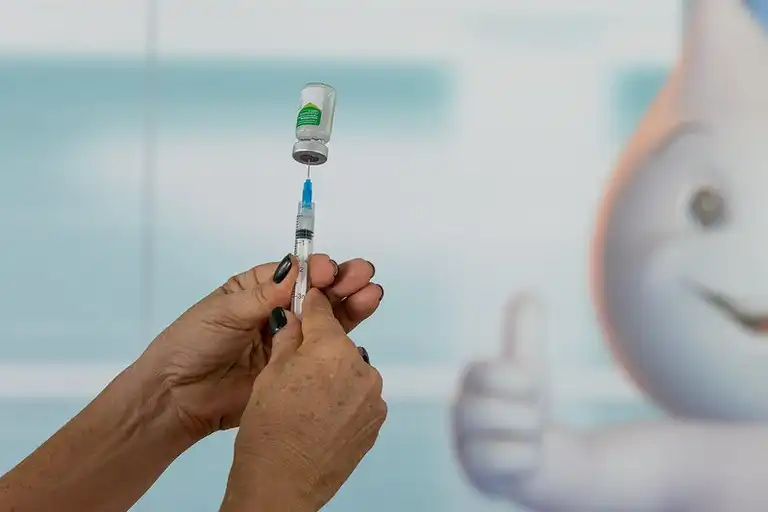
The global mental health crisis necessitates a continuous quest for innovative and more effective treatments. Among the myriad of ongoing research efforts, a novel experimental compound, PA-915, has recently captured significant attention, stirring both excitement and misunderstanding. While mistakenly circulating on social media as a "vacina contra ansiedade PA 915" or an "anxiety vaccine," the scientific community clarifies that PA-915 is not a vaccine but a groundbreaking small-molecule drug with immense potential for modulating anxiety and depression. This article delves into the science behind PA-915, its promising pre-clinical results, and the importance of understanding its true nature as an experimental therapeutic, not a preventive vaccine.
Unpacking the Science Behind PA-915's Potential
Developed by a collaborative team of researchers from prestigious Japanese universities, including Osaka, Kobe, Toyama, and Kagoshima, PA-915 represents a significant advancement in understanding and potentially treating mental health disorders. Their findings, published on September 4, 2025, in the esteemed journal *Molecular Psychiatry*, detail the unique mechanism of this experimental drug. PA-915 is classified as a small-molecule pharmaceutical designed to act directly on the central nervous system. Its primary mode of action involves selectively blocking the PAC1 receptor. This receptor is intimately linked to the neuropeptide PACAP (Pituitary Adenylate Cyclase-Activating Polypeptide), a molecule known to play a crucial role in the body's response to stress.
Unlike traditional vaccines, which stimulate the immune system to build defense against pathogens, PA-915 operates by directly modulating brain circuits implicated in anxiety and depression. By targeting the PAC1/PACAP pathway, the drug aims to intervene at the very origin of the stress response, potentially offering a more precise and effective therapeutic approach. This represents a novel therapeutic avenue compared to many existing antidepressants and anxiolytics, which often work through broader neurotransmitter systems like serotonin or norepinephrine. The excitement stems from the possibility of a targeted intervention that could lead to fewer systemic side effects and more rapid, sustained relief for millions suffering from these debilitating conditions.
Promising Pre-Clinical Results: A Glimpse into the Future
The initial tests for PA-915 have been conducted exclusively in animal models, specifically mice subjected to chronic stress conditions, designed to mimic aspects of human anxiety and depression. The results from these pre-clinical studies have been remarkably promising, generating much of the scientific optimism surrounding PA-915. Researchers observed several key outcomes:
*
Significant Reduction in Anxiety and Depression-Like Behaviors: The mice treated with PA-915 displayed a marked decrease in behaviors typically associated with anxiety and depression, suggesting a potent anxiolytic and antidepressant effect.
*
Improvement in Cognitive Functions: Beyond mood regulation, the drug also showed an ability to improve cognitive functions in the stressed animal models. This is particularly noteworthy as cognitive impairments often co-occur with anxiety and depression, impacting daily functioning and quality of life.
*
Rapid Action: A significant advantage observed was the rapid onset of action after administration, a critical factor for patients seeking immediate relief from severe symptoms. Many current treatments can take weeks to show their full effect.
*
Prolonged Effect with a Single Dose: Perhaps the most striking finding, and a key driver behind the "vacina contra ansiedade PA 915" misconception, was the prolonged duration of effect. A single dose of PA-915 was observed to have therapeutic benefits lasting up to eight weeks in the animal models.
*
Absence of Major Side Effects: Crucially, the researchers did not identify any relevant side effects in the tested models, such as cognitive impairment or signs of dependence, which are common concerns with many existing psychoactive medications.
These findings represent a compelling case for PA-915's continued development, hinting at a future where mental health treatments could be faster-acting, longer-lasting, and potentially safer. However, it's vital to remember these are animal studies; human physiology can differ significantly. For a deeper dive into how this drug differs from the common perception, you might find this article insightful:
PA-915: The Truth Behind the Viral 'Anxiety Vaccine' Claim.
Navigating the "Vacina Contra Ansiedade PA 915" Misconception
The buzz surrounding PA-915 on social media platforms led to a widespread, albeit inaccurate, interpretation of its scientific potential. The term "vacina contra ansiedade PA 915" quickly gained traction, largely due to the experimental drug's observed prolonged effect from a single dose, which superficially resembled the long-term protection offered by vaccines. However, specialists universally emphasize that this comparison is incorrect and misleading.
A vaccine, by definition, works by stimulating the body's immune system to build a defense against a specific disease, thereby preventing it. In contrast, PA-915 is an experimental drug designed to act directly on specific brain circuits to treat symptoms of anxiety and depression. It aims to modulate existing neurological responses to stress, not to prevent the onset of these conditions by immunological means. The difference is fundamental: prevention versus treatment, immunological action versus direct brain modulation. The enthusiastic but misinformed spread of the "vacina contra ansiedade PA 915" narrative underscores the critical need for accurate science communication in the age of rapid information dissemination. Understanding this distinction is crucial for setting realistic expectations and appreciating the true, complex scientific innovation PA-915 represents. For a more detailed look at its unique mechanism, consider reading:
PA-915: A Novel Brain-Targeted Approach to Stress Response.
The Path Ahead: From Lab to Clinic
While the pre-clinical results of PA-915 are highly encouraging, it is imperative to understand that the drug is still in its early stages of development. The transition from successful animal studies to approved human treatments is a long, rigorous, and often uncertain journey. The next critical phase involves human clinical trials, which typically proceed in several stages:
*
Phase 1 Trials: Focus on safety, determining safe dosage ranges and identifying potential side effects in a small group of healthy volunteers.
*
Phase 2 Trials: Assess efficacy and further evaluate safety in a larger group of patients with the targeted condition (anxiety and depression in this case).
*
Phase 3 Trials: Conduct large-scale studies on hundreds or thousands of patients to confirm efficacy, monitor side effects, compare it to standard treatments, and collect information that will allow the drug to be used safely.
Only after successful completion of all three phases, demonstrating both safety and efficacy, can a drug seek regulatory approval from health authorities like the FDA in the United States or the European Medicines Agency. This process can take many years, often a decade or more, and many promising compounds fail at various stages. Therefore, while PA-915 introduces a groundbreaking therapeutic pathway (PAC1/PACAP) and holds the potential for faster action and prolonged effects compared to traditional antidepressants, it is still a distant prospect for clinical use. Its development offers a beacon of hope for future treatments, but patience and continued scientific rigor are paramount.
Practical Takeaways for Mental Health Today
While the prospect of PA-915 becoming a widely available treatment is years away, it's crucial for individuals struggling with anxiety and depression to focus on current, evidence-based interventions. Here are some actionable insights:
*
Seek Professional Help: If you or a loved one are experiencing symptoms of anxiety or depression, consult a healthcare professional. A doctor, psychiatrist, or therapist can provide an accurate diagnosis and discuss appropriate treatment plans.
*
Embrace Current Therapies: Effective treatments exist today. These include psychotherapy (such as Cognitive Behavioral Therapy - CBT, or Dialectical Behavior Therapy - DBT), pharmacotherapy (antidepressants, anxiolytics), and lifestyle modifications (regular exercise, balanced diet, adequate sleep, mindfulness practices).
*
Stay Informed, Critically: Be discerning about health information, especially on social media. Always cross-reference claims with credible scientific sources and expert opinions. The term "vacina contra ansiedade PA 915" is a prime example of misinformation.
*
Advocate for Research: Support for mental health research is vital. Innovations like PA-915 highlight the continuous need for investment in understanding the brain and developing new therapeutic tools.
Anxiety and depression are among the leading causes of disability worldwide, affecting millions of lives. The search for more effective, safer, and faster-acting treatments is ongoing and urgent.
Conclusion
PA-915 stands as a testament to the relentless pursuit of better mental health solutions. This experimental drug, with its unique mechanism of blocking the PAC1 receptor to modulate the stress response, offers a promising new direction in treating anxiety and depression. Its rapid and prolonged effects observed in pre-clinical animal studies are undoubtedly exciting. However, it is paramount to reiterate that PA-915 is *not* a "vacina contra ansiedade PA 915" or an anxiety vaccine; it is a pharmaceutical agent in its earliest stages of development. While human trials are still on the horizon, the scientific community remains hopeful that PA-915 could one day offer a valuable new tool in the fight against these pervasive mental health challenges, providing faster relief and greater efficacy for those in need.